Diabetes Awareness: Small Steps, Big Health Benefits
Small steps can make a meaningful difference to health, confidence and everyday wellbeing. This National Diabetes Week, we are encouraging people to feel supported, informed and empowered to take positive action in a way that feels achievable for them.
Diabetes is one of Australia’s most significant chronic health conditions, with around 1 in 15 Australians living with diabetes according to the Australian Institute of Health and Welfare. It can influence energy, confidence, mobility, heart health, mental wellbeing and day-to-day life, but with the right support, small changes, including regular movement, can make a meaningful difference.
Why movement matters
Movement is one of the most powerful tools for supporting diabetes prevention and management. It can help the body use insulin more effectively, support blood glucose management, improve heart health, strengthen muscles and bones, boost energy, support sleep and improve confidence.
Strength training is particularly important for people living with diabetes or at risk of developing diabetes. Working muscles use glucose for energy, and building or maintaining muscle can help the body use glucose more effectively. Strength-based activity can also support balance, mobility, independence and confidence in everyday life.
In May 2026 the Australian Government’s updated 24-hour movement guidelines to recommend adults are active most days, preferably every day. This includes a mix of moderate to vigorous physical activity, muscle-strengthening activities, mobility, balance and coordination activities, regular light movement, less time spent sitting, and good quality sleep. For people living with diabetes, the right approach will depend on individual health needs, medications, confidence and goals.
Simple ways to move safely
- Start small and build gradually.
- Choose activities you enjoy and can sustain.
- Include both aerobic movement, such as walking, cycling or swimming, and strength-based activity, such as bodyweight exercises, resistance bands or supervised weights.
- Check blood glucose as advised by your health professional, especially if you use insulin or blood glucose-lowering medication.
- Stay hydrated, wear supportive footwear and check your feet regularly.
- We are here to help. Ask for support if you are unsure where to start.
What is diabetes?
Diabetes is a chronic condition that affects how the body regulates glucose, or blood sugar. This can happen when the body does not produce enough insulin, cannot use insulin effectively, or both. Over time, high blood glucose levels can increase the risk of complications affecting the heart, blood vessels, nerves, eyes, kidneys and feet.
The main types include Type 1 diabetes, Type 2 diabetes and gestational diabetes. Type 1 diabetes is an autoimmune condition that requires lifelong insulin therapy. Type 2 diabetes is the most common form and is influenced by a mix of genetic, health, lifestyle and environmental factors. Gestational diabetes can occur during pregnancy and may increase the future risk of Type 2 diabetes.
Let’s reduce stigma
Diabetes is complex. No one should feel blamed, judged or defined by their diagnosis. Lifestyle can play a role, particularly in Type 2 diabetes, but so can genetics, age, medical history, access to healthcare, social supports and environment. Better understanding helps create better support.
How our health and wellbeing venues can help
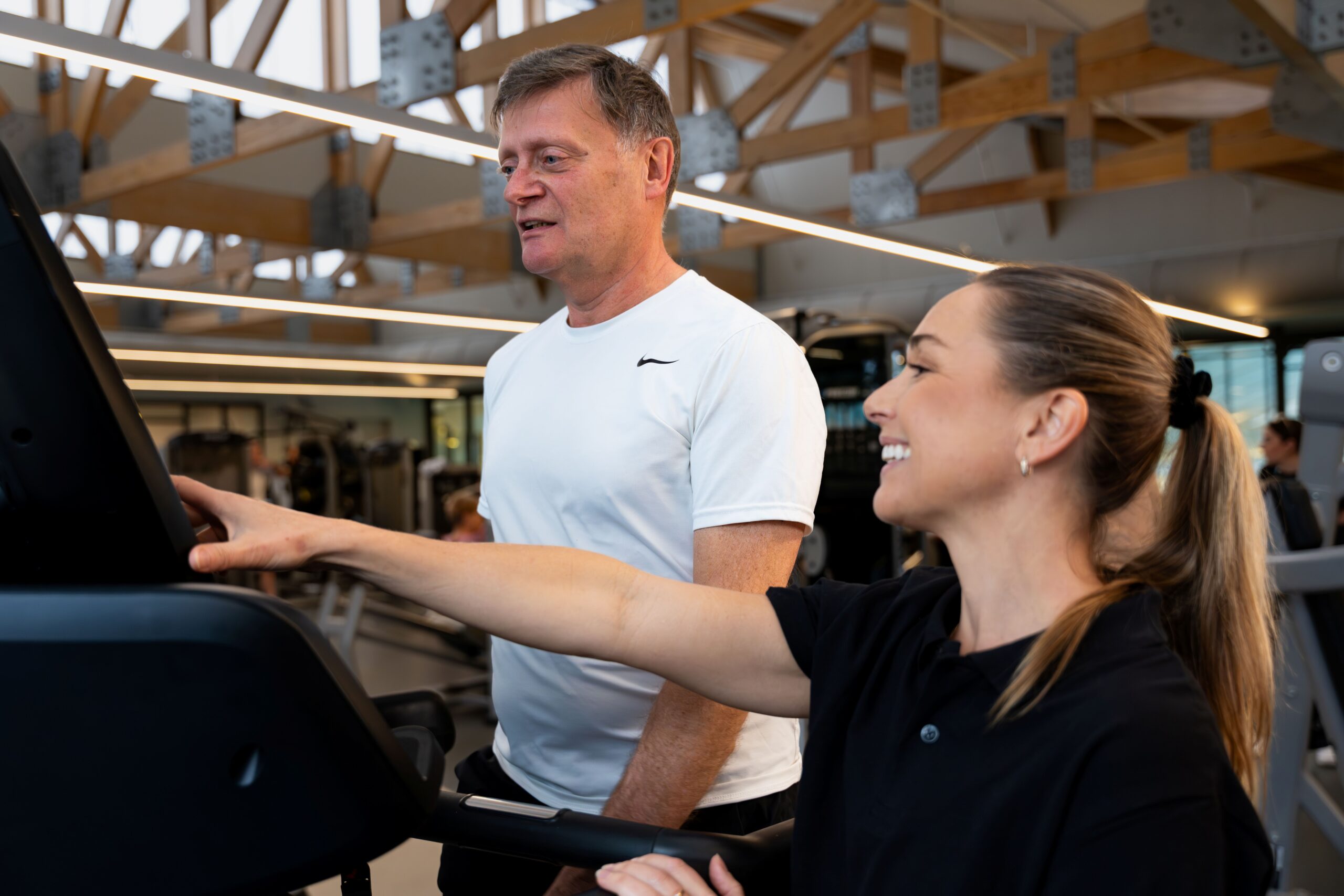
Across Belgravia Leisure health and wellbeing venues, our teams create welcoming and supportive spaces where people can build confidence, move safely and take practical steps towards better health. Whether someone is living with diabetes, at risk of developing diabetes, or simply looking to improve their wellbeing, supported movement can be a positive place to start.
This is where our Allied Health teams can make a real difference. Supporting people to move safely, build strength, improve confidence and manage long-term health is at the heart of what we do. Our exercise physiologists, physiotherapists and broader health hub teams can help people understand where to start, develop safe and individualised movement strategies, and build routines that consider their health conditions, medications, goals and day-to-day life.
This National Diabetes Week, take one small step. Ask a question, book an appointment with our health team, go for a walk, try a class, or speak with your venue. Small steps can lead to big health benefits.
Information sources
This article draws on publicly available health information from Diabetes Australia, the Australian Institute of Health and Welfare, Healthdirect Australia, the National Diabetes Services Scheme and the Australian Government’s physical activity guidelines. It is intended as general information only and does not replace individual medical advice. If you have symptoms of diabetes or concerns about your health, speak with your GP or health professional.